Nobody feels a missed call as a crisis. You're on a job, in a meeting, or it's after hours, the phone rings, and it goes to voicemail. Nine times out of ten, it feels like nothing happened.
But a missed call isn't nothing. It's a customer who was ready to talk to you, right then, and got silence instead. Whether that turns into lost revenue depends entirely on what happens in the minutes and hours after.
Speed matters more than most owners think
Research from the Kellogg School of Management and Harvard Business Review on lead response time found that contacting a new lead within five minutes makes it roughly 21 times more likely to turn into a qualified conversation than waiting thirty minutes. Not twice as likely. Twenty-one times.
That gap exists because most people calling a business aren't just calling you. They're often calling two or three options in the same window, and whoever responds first usually gets the conversation, if not the job.
Why one bad experience is enough
PwC's global customer experience research found that roughly a third of customers will walk away from a brand they otherwise like after just one frustrating experience. A missed call that never gets returned, or gets returned two days later, counts.
This is the part that's easy to underestimate: the customer doesn't experience your missed call as an isolated event. They experience it as evidence about what working with you will be like. If the first interaction is silence, that becomes the story. (If the lead does get logged, but only after it's gone cold, see 5 signs your CRM is quietly costing you deals.)
Running the math for your business
You don't need exact numbers to get a useful estimate. Three inputs:
- Average value of a job or a customer (a single project, or lifetime value if it's recurring).
- How many calls you estimate go unanswered in a typical week (evenings, weekends, busy days, all count).
- A conservative conversion rate for the ones that don't get a fast response, most owners land somewhere between 10% and 25%.
Multiply it out across a month. For a lot of service businesses, the number is uncomfortably close to what a part-time employee would cost, and often higher.
What actually closes the gap
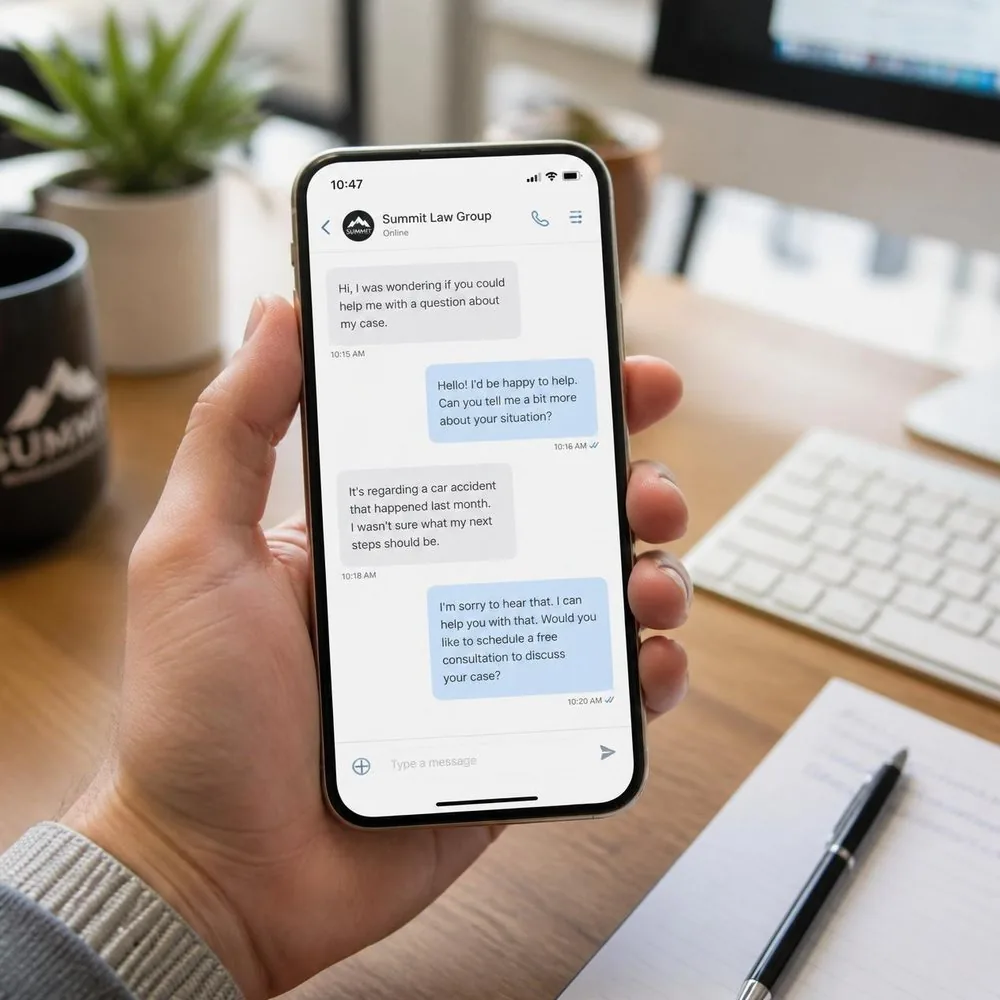
The fix isn't "answer every call personally," that's not realistic, and it's not sustainable. It's making sure every inquiry gets a fast, human-feeling response even when nobody's available to pick up: an immediate text acknowledgment, a qualifying question, a real follow-up sequence that doesn't depend on someone remembering to call back. That's the entire premise behind customer intake and follow-up automation, closing the gap between "someone reached out" and "someone responded," without it depending on who's in the office that day. The same principle applies once that lead becomes an appointment: see why manual scheduling is quietly costing you customers too.