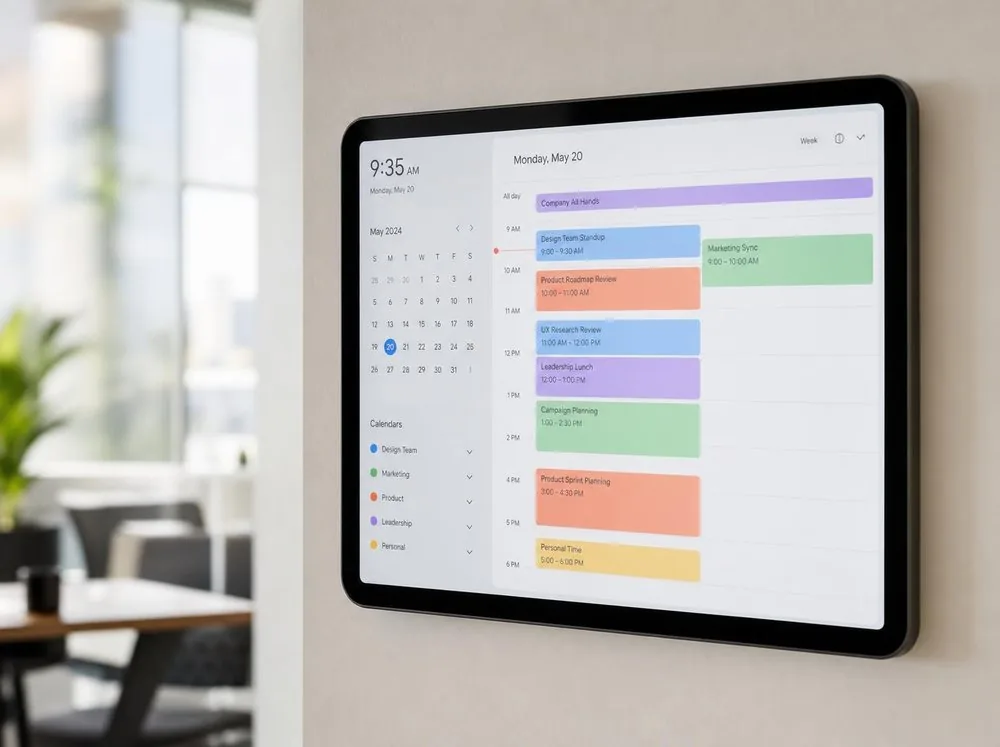
A double-booked appointment slot doesn't feel like a big deal in the moment. Someone apologizes, someone reschedules, everyone moves on. It's only when you add up how often it happens, and what it costs each time, that scheduling friction starts to look like one of the more expensive problems a business can have.
Unlike a missed call, which is at least visible the moment it happens, scheduling problems tend to hide in plain sight: a calendar that looks fine on the surface but is quietly costing appointments, staff hours, and repeat business underneath.
Where the friction actually shows up
- Double-bookings. Two customers get the same slot because the calendar lives in more than one place, or because a call-in booking didn't make it into the same system as the online one.
- No-shows with no warning. A confirmation never went out, or went out but never got a reminder, so the slot sits empty and nobody finds out until it's too late to fill it.
- Reschedule chaos. Weather, a canceled job, a sick call: one change turns into a dozen individual phone calls instead of one message going out to everyone affected.
- Phone tag just to confirm. Staff spend real hours every week calling to confirm appointments that a text message could confirm in seconds.
Why this is worse than it looks
Each of these, on its own, seems minor. A no-show here, a double-booking there. But scheduling problems compound in a specific way that most other admin friction doesn't: they cost you twice. Once when the appointment falls through, and again when the customer decides booking with you takes too much back-and-forth to bother with next time.
That second cost is the one that's easy to miss. The same research on lead response time that shows speed matters for new inquiries applies just as much to existing customers trying to get back on your calendar. Every extra step between "I want to book" and "it's booked" is a chance for them to give up or go elsewhere.
What actually fixes it
The fix isn't a fancier calendar app. Most businesses already have scheduling software; the problem is that it only works if someone manually keeps it updated, which is exactly the kind of task that slips when things get busy. What actually closes the gap is automation that removes the manual step entirely:
- Every booking channel (phone, web form, walk-in) writing to the same calendar automatically, so double-bookings become structurally impossible instead of just unlikely.
- Confirmation and reminder texts that go out on their own, timed to when they're actually useful.
- Reschedule notifications that go to everyone affected by a change at once, instead of one call at a time.
- Dispatch and route confirmations that sync automatically for field-based teams, so crews know where they're going without a morning phone-around.
The goal isn't a smarter calendar. It's a calendar that doesn't depend on someone remembering to update it.
What this typically looks like once it's fixed
Businesses that automate scheduling usually notice the same thing first: the phone stops ringing for the reason nobody wants it to ring. Fewer "just confirming" calls, fewer "can we reschedule" calls that turn into ten individual conversations, fewer slots that sit empty because nobody caught a no-show in time. The appointments that do happen are the ones that were actually supposed to happen.
If scheduling is one of the tasks eating real time in your week, it's usually a straightforward system to automate, often one of the faster wins available before tackling anything more complex.